One Artist to Another
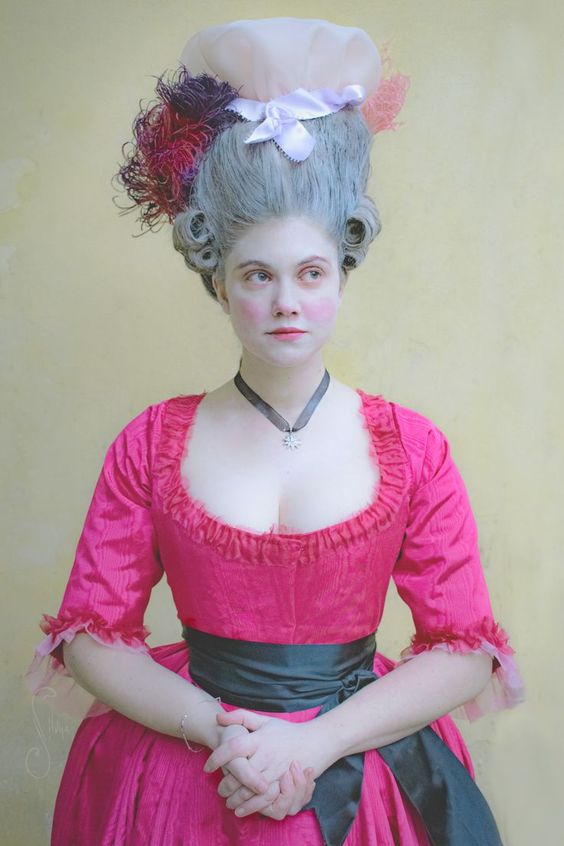
Throughout my professional activity, I have been frequently contacted by painters, illustrators, and students wishing to use my photographs as visual reference. This text is intended to provide a clear, stable point of reference, so that such requests may be addressed transparently and in a uniform way for all.
I was trained in the visual arts long before becoming a costume designer and photographer, and like many artists I learned through study and copy of existing works. I spent years analyzing images I admired, filling countless sketchbooks in the attempt to understand compositional logic, light, and the structural principles underlying garments and figures. That experience remains central to my understanding of artistic practice, and I return to it every time I need centering, as an artist.
For this reason, I view the use of my images for purposes of personal study as a natural continuation of the same centuries old tradition of learning through observation.
But… over the years, as usual, things happened, and I want to be extra clear on what can be done with my blessing, what makes me frown and what makes me call my lawyer.
Use for Study and Personal Practice
The use of my photographs as reference material for private exercises, technical studies, academic training, and skill development is fully permitted and does not require prior authorization.
This includes situations in which artists are practicing the rendering of textiles, historical silhouettes, lighting schemes, or figurative structure. Such activity belongs to the legitimate sphere of artistic formation, and I recognize it as part of a shared professional culture among visual practitioners.
BUT… as long as this work does not remain in your private sketchbook, further things will be needed. Read ahead.
Public Sharing and Attribution Requirements
A different consideration applies when derivative work is made public.
Any artwork created from my images and shared on social media, personal websites, portfolios, publications, or academic presentations must include clear and visible attribution. This attribution must extend beyond my own name to include all collaborators credited in the original photograph, such as models and other professionals involved in its creation.
Please contact me ([email protected]) if no credit is given on the original image, as it is probably my own work as both model, costume maker and phtoographer. I will provide the correct and full list of credits.
Without all the people involved, you would have no image to learn from. Moreover, if you do not already, you soon will understand the rightful desire of seeing your work and effor and time correctly credited even on derivate work.
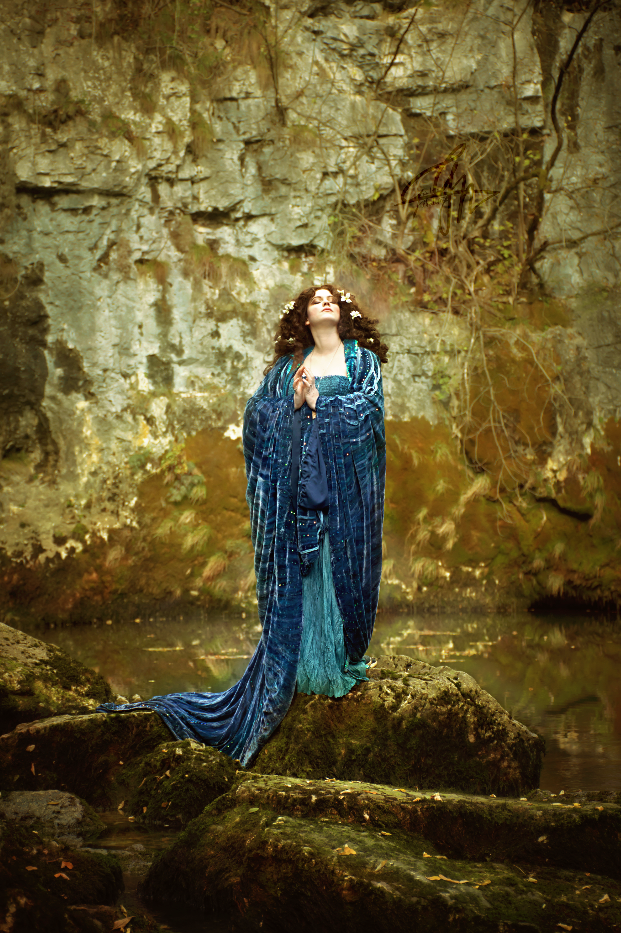
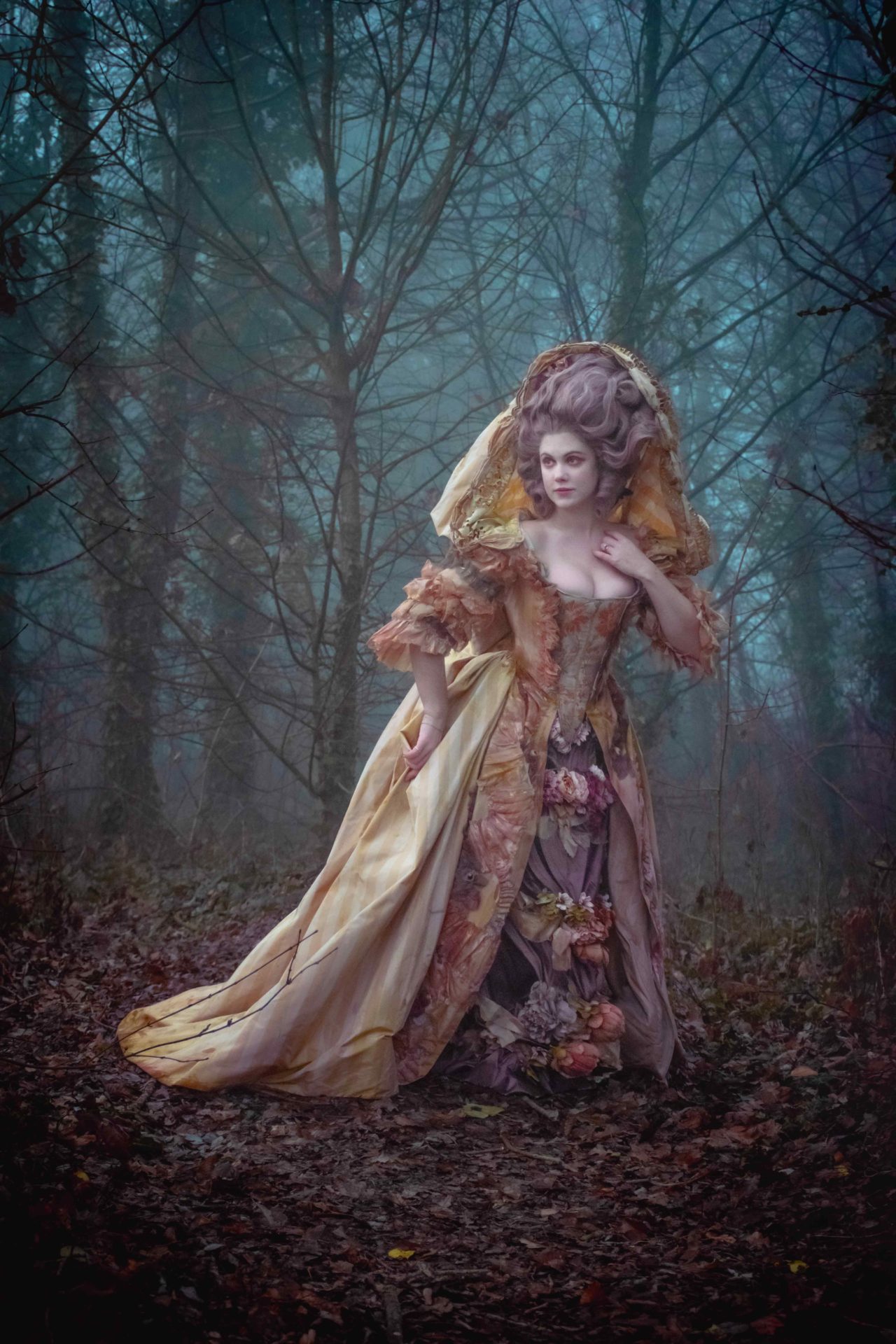
Misuse and Legal Implications
In past years, I have encountered instances in which students incorporated drawings derived directly from my photographs into academic theses while presenting them as wholly original work. This work was so much praised that it was exposed in the school hall with their name credited. Unfortunately, the clever ideas under that work, the material choices and the design, were not theirs, but completely mine.
Such conduct constitutes a serious misrepresentation of authorship. Should similar cases arise in the future, I reserve the right to pursue formal legal action. Depending on institutional regulations, such action may result in academic disciplinary measures, including the possible revocation of a degree.
This statement is not intended as a threat, but as a clarification of the legal and ethical framework governing intellectual property in professional artistic contexts.
Should you use my work as reference in situations that provide income or recognition (including contest, exhibits and such) without contacting me first and/or without credits, I will be forced to take legal action.
Commercial and Revenue-Generating Uses
Whenever a work derived from my images is connected, directly or indirectly, to economic gain, prior written authorization becomes mandatory.
This applies to commissioned artwork, sales of originals or prints, licensed illustrations, merchandise, editorial uses, or any other context in which the derivative work contributes to financial income.
In such circumstances, a formal contract will be established. Its terms will be defined according to the specific characteristics of the project and will include an appropriate revenue-sharing arrangement reflecting the foundational role of the original image.
This principle follows a straightforward professional logic: artists who expect fair recognition and remuneration for their own work must extend the same standard to the sources upon which that work is built.
Please contact me at [email protected]
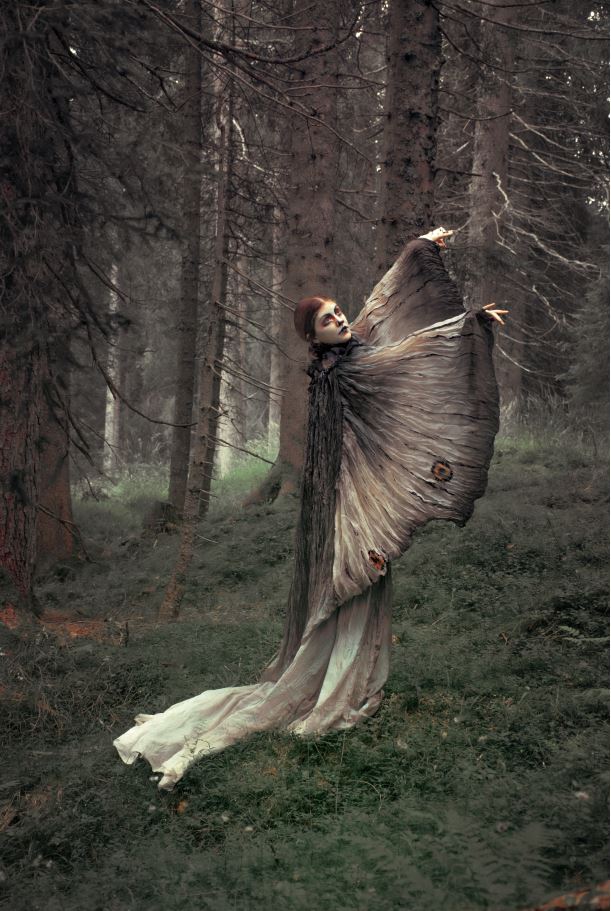
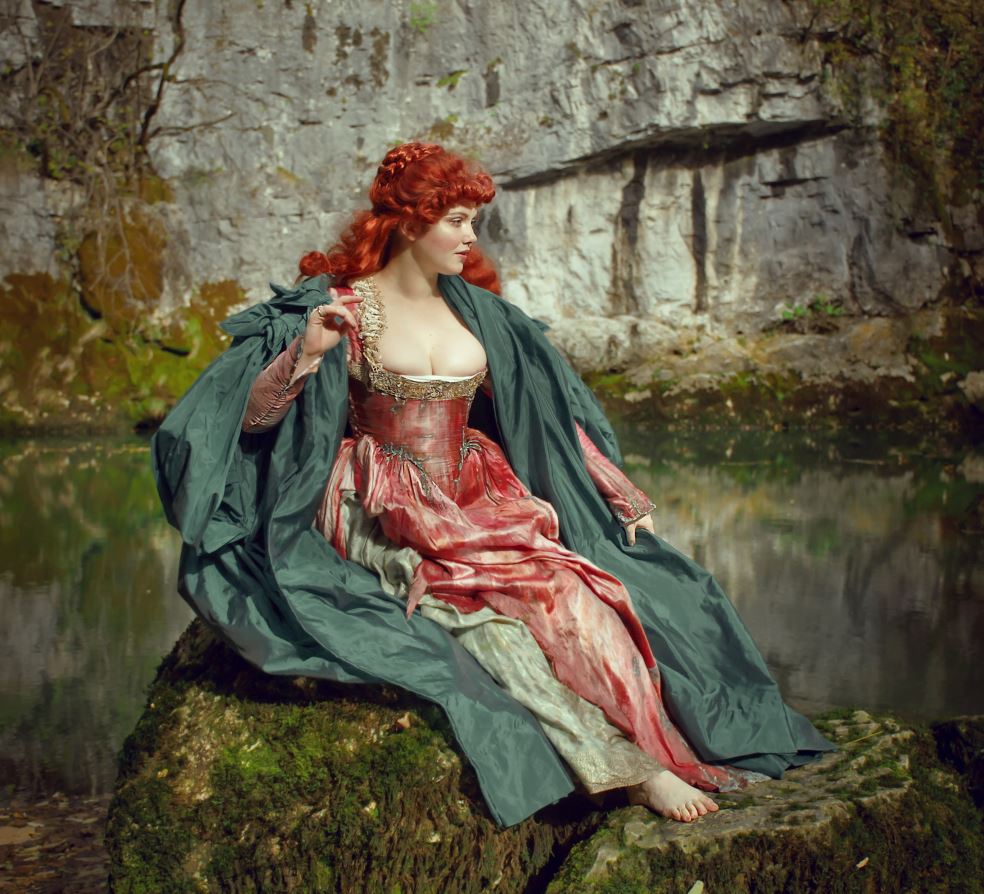
Give credit, get credit!
Today it’s my work, tomorrow it will be yours. My intention is not to restrict artistic growth or discourage interpretative work. On the contrary, my intent is to help creating a fair environment for all artist to thrive, where credit is not something to be repeatedly asked, but it is genuinely and spontaneously given, and where the importance of cour work is fully recognized.
What I require is clarity, attribution, and respect for the professional reality underlying image production. Photography, costume creation, staging, and post-production represent a substantial investment of time, knowledge, and resources. Recognizing this sustains artistic exchange within an ethical and sustainable framework.
For any uncertainty regarding intended use, I encourage direct contact prior to proceeding. Clear agreements at the outset remain the most effective way to protect all parties and preserve constructive relations within the artistic community.
Criteria
For the purposes outlined above, it is important to clarify that the decisive factor is not whether an artwork constitutes a literal reproduction of my own work, but whether the source image remains recognisable in the derivative work. Whenever the composition, pose, costume design, lighting structure, or other distinctive visual elements clearly identify one of my photographs as the underlying reference, the same requirements regarding attribution, authorization, and, where applicable, contractual agreement remain in force. This principle applies regardless of stylistic transformation, medium, or degree of technical reinterpretation, since recognisability establishes a direct and demonstrable link to the originating work.