This is what luxury really looks like. Not a designer bag worth less than a hundred euros to produce in a sweatshop, merely repackaged in France or Italy to get the “Made in the EU” label, then sold with a markup of several hundred percent.
For real. I mean, marketing has been working 24/7 to make you believe that something is luxury simply because it is presented in a shiny way, or because it is overpriced and someone is willing to pay that price.
But the truth nowadays is very different. What advertising has been telling you for ages about craftsmanship, original designs and thoughtfulness is no longer what you can expect to find in products from the big names in luxury fashion. And it’s been like that for decades. What you pay for is the ad in Vogue, the presence at elite events, the promotion that comes from putting a garment on this or that actress.
So you don’t necessarily pay for the quality of the materials. And you don’t even pay for the skill of the person actually making your item, who is usually underpaid.
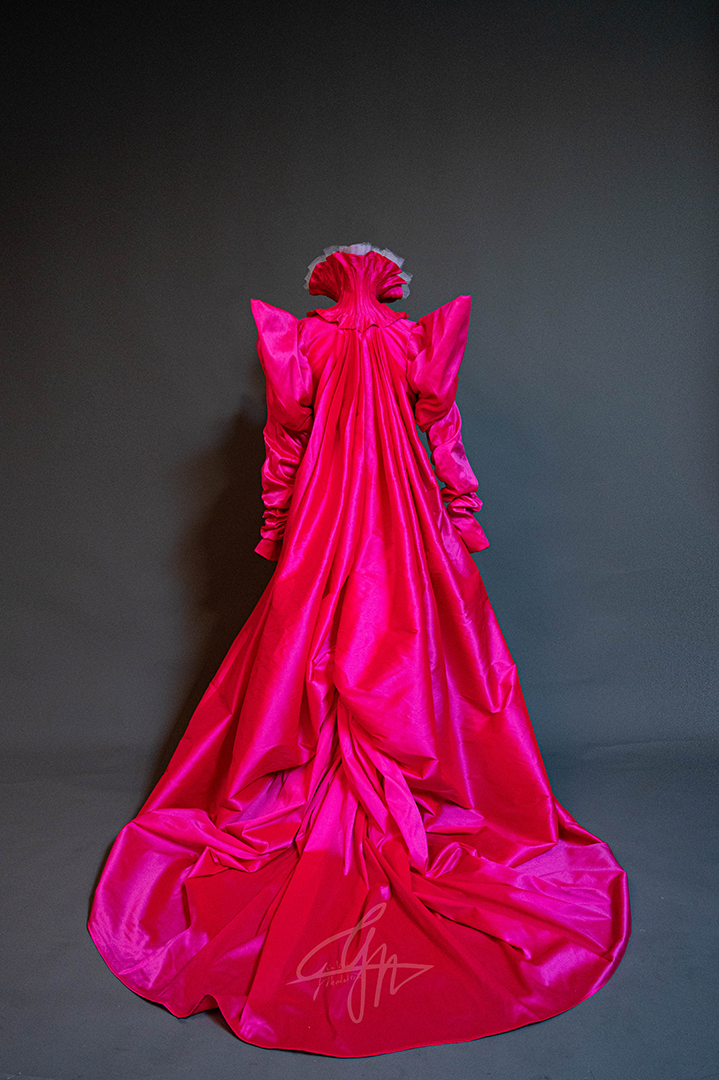
So why is my work luxury?
Because it costs more than fast fashion. Because you pay for ethically sourced materials whenever possible. But most of all, you pay a reasonable hourly rate for the work of a person who has spent a lifetime acquiring the skills needed to create your garment.
You’re not paying for someone to sew the same seam across a hundred pieces a day, usually in a sweatshop. You’re paying for someone who nurtures the piece of craft and art you’re purchasing as if it were a beloved plant or pet, if not a child.
Creativity, vision and art
My work is luxury because, nowadays, everything is expected to be functional and affordable. In a world where low cost has become an excuse for minimalist beiges and rather boxy shapes, you’re choosing to spend money on something extravagant, something that adds beauty and a sense of wonder to a grey world.
In the past, people used stucco to decorate walls, added goldwork to fabrics, and embellished furniture with inlays and gold leaf. Not because any of it was necessary, but because it made the spaces around them more rewarding to live in.
My work is the gold leaf. The event you’ve dreamt of attending for ages is the stucco on the wall of an everyday job you may not like as much as you’d like to.
Supporting small businesses instead of exploitation
When you choose to buy from a small artisan, you’re probably doing more than helping them support their family (and their hobbies). You’re reinforcing a virtuous network, as much as that’s possible in a capitalist world.
In my case, the money you spend on my work gets redistributed to a local fabric supplier who deals in deadstock and vintage luxury fabrics, for example. Not a large chain, but a one-person business with an ethical background. Or to the local dry cleaner when you purchase a pre-owned garment. Or to the local haberdashery shop that has kept that trim in a drawer for sixty years.
You help keep Italy alive as you’ve known and loved it. You help sustain a network of small businesses in my town. When that network disappears, you end up finding the very same Starbucks everywhere you go, making every place feel a little less foreign and interesting.
Long story short: you’re supporting families, not buying a CEO their fourth mansion.
My work is the gold foil. The event you dreamt of joining for ages is the stucco on the wall of an everyday job you may not like as much as you’d like.
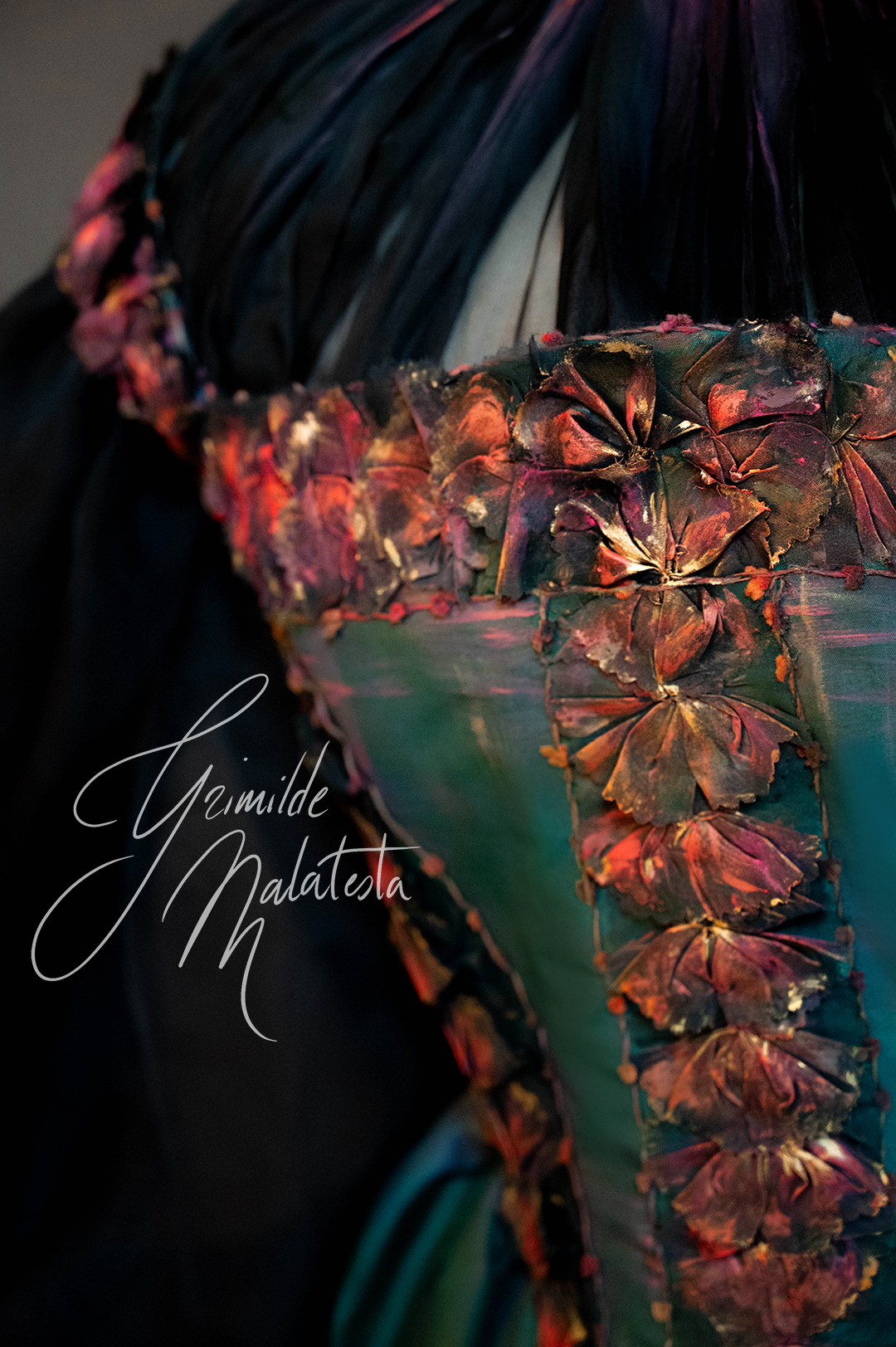
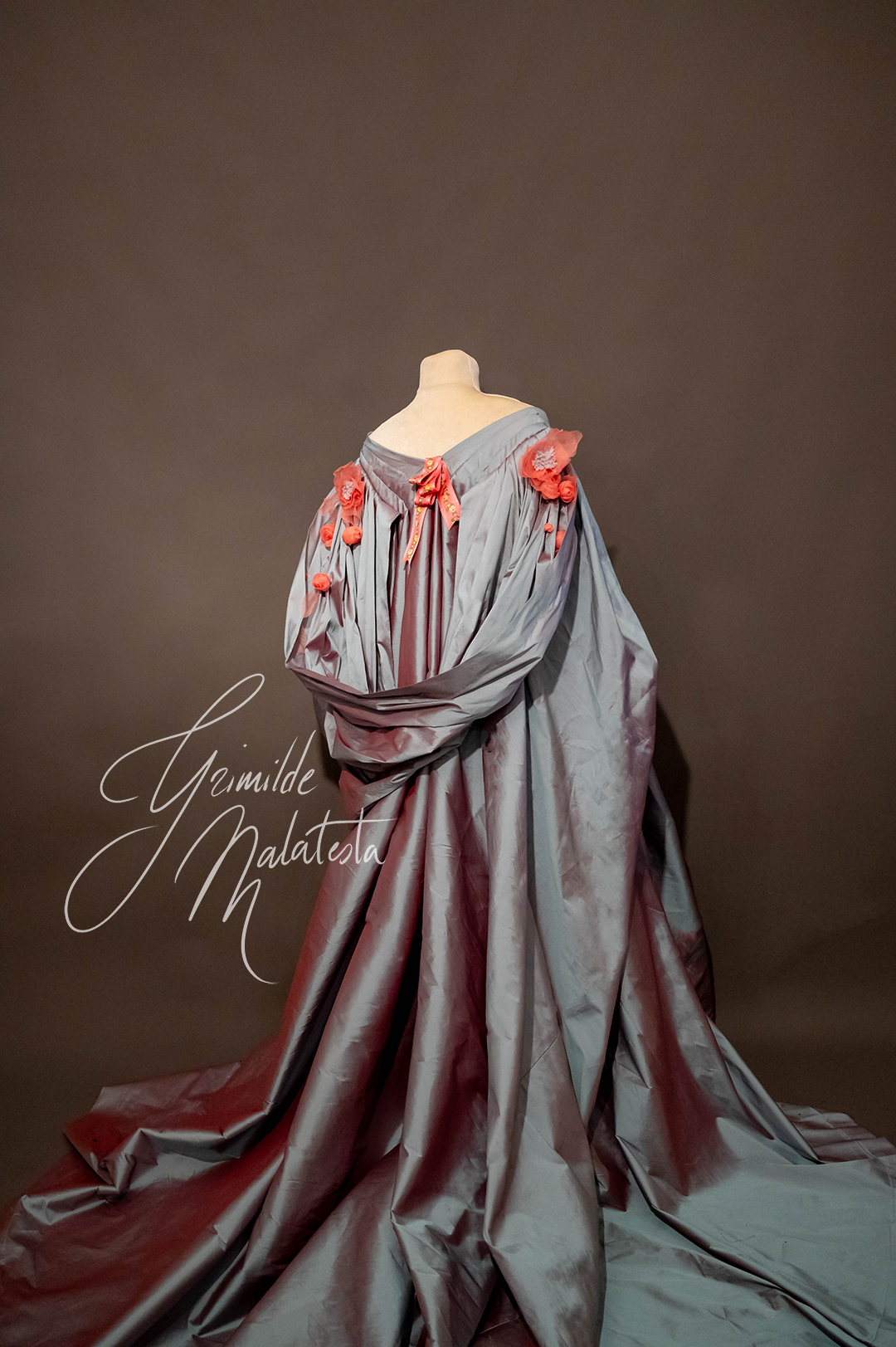
And you’re not just supporting the small businesses connected to my profession. I can assure you that I’m supporting small businesses when I spend my earnings on my life outside work, too. Mainly local food businesses and art supplies, in my case. And books. And pre-owned clothing.
You see, it’s a circle. Money flows and allows more people to enrich their lives. When you purchase from Amazon or similar companies, on the other hand, a large share of that money ends up in the pockets of billionaires, while the economic model behind it can reinforce exploitative working conditions.
I know, things from Amazon, Shein and Temu may be cheaper. They don’t sell what I do. But sometimes saving up for one special treat instead of buying lots of things that lose their appeal after a single use may be a wise investment in the long run.
Splurge on the good things.
The value of the unnecessary
My work can also be defined as luxury because it is unnecessary. Luxury goes beyond the bare necessities of life. It’s something you get for yourself or someone you love as a treat, not something intended for everyday consumption. It’s something that feels special, that makes your skin tingle with enthusiasm and makes your heart skip a beat when you receive the package.
I’ve written in my Instagram bio that my work is the MSG of life. And I stand by that. Of course, you can have MSG every day, but the point is that you don’t just need the nutritional parts of a meal. You also need the salt, the fun, the flavour that gives you gratification after eating and makes you remember that bowl of fried rice with a smile.
You don’t need it to survive, but it may help you move from barely surviving to actually living and enjoying your life.
Luxury is what makes life worth savouring
That’s what I want my work to be. Not another thing you buy because you need it, because it’s on sale, or because someone has convinced you that you should own it.
I want it to be something you choose because it means something to you. Because you appreciate the hours of work, the skills, the materials and the creative decisions behind it. Because it makes you feel something.
Luxury, to me, is having the freedom to make room for things that serve no practical purpose beyond making life more enjoyable. Things that inspire you, make you dream, or remind you of the person you want to be.
You may not need another beautiful thing in your life. But if that beautiful thing gives you a reason to look forward to tomorrow, perhaps it was never just unnecessary after all.